United KIngdom
June 22, 2026
The James Hutton Institute, Scotland’s pre-eminent interdisciplinary scientific research institute for the sustainable management of land, crop and nature resources, is playing a central role in a new UK-wide research and innovation network.
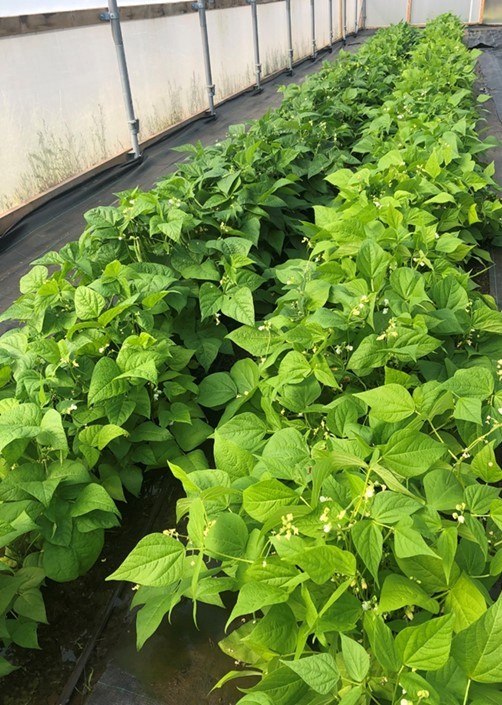
Scottish bred dwarf French beans
The Novel and Underutilised Crop Network (NUCNet), funded by UK Research and Innovation’s Biotechnology and Biological Sciences Research Council (UKRI–BBSRC), aims to unlock the potential of novel and underutilised crops, positioning them not as niche curiosities, but as essential components of a resilient, diverse and commercially dynamic food system.
NUCNet brings together a broad coalition of researchers, farmers, growers, plant breeders, food businesses, policymakers and community organisations. Its mission is to generate the evidence, partnerships and practical momentum needed to integrate a wider range of crops into UK agriculture, food production and local value chains.
It complements and amplifies ongoing research and innovation across several of the Hutton’s centres of excellence, including the International Barley Hub (IBH), the Advanced Plant Growth Centre (APGC) and the National Alternative Protein Innovation Centre (NAPIC). These platforms collectively connect crop genetics, agronomy, food systems, nutrition, processing, commercialisation and policy to support a more joined‑up approach to agricultural innovation.
Professor Pete Iannetta, a founding and Management Board member of NUCNet and a research leader in ecological feed and foods systems at the Hutton, emphasised the importance of the new initiative: “Novel and underutilised crops must not be regarded simply as ‘nice to have’. They are essential components of our food future. They provide the germplasm and genetic diversity Scotland needs for better adapted crops, while also helping to re‑empower local food systems and food cultures. This matters not only for food security, but also for significant commercial opportunities through short value chains, retail innovation, and links to Scotland’s powerful export and tourism industries.”
The Hutton’s work in this area already spans a range of crops, including locally bred dwarf French beans and field beans, pulses such as green marbled lentils and black chickpeas, heritage cereals like Bere barley and traditional wheats, and more novel prospects such as Kernza®, a perennial grain. Much of this research is being developed in close collaboration with partners including Scottish island crofters, The Gaia Foundation, Scotland The Bread, The Land Institute (USA), and others working to reconnect crop diversity with community, culture and commerce.
NUCNet will support workshops, focus groups, stakeholder events and farm open days, while giving members a platform to shape research priorities, identify barriers and build collaborations. Small grants will support pilot studies and emerging teams, helping build capacity for future bids. Early career researchers will benefit from tailored opportunities, including support for conferences, exchanges and visits.
Interest in crop diversity is rising as agriculture faces climate change, geopolitical disruption to supply-chains, shifting diets and ongoing pandemic risks. Strengthening domestic capacity to produce and process food and feed ingredients is increasingly important. Novel and underutilised crops can diversify rotations, strengthen resilience, support healthier diets and create new markets, helping sustain rural communities.
Scotland is particularly well‑placed to benefit. Heritage grains, pulses, perennial cereals and locally adapted crops can help tell a richer story about landscape, provenance, nutrition and innovation.
By combining scientific experience with the experience of growers, crofters, bakers, distillers, food manufacturers and communities, NUCNet aims to turn crop diversity into practical solutions, connecting field to plate and local supply chains to global markets.
Membership is open to anyone aged 18 or over, across sectors and career stages, including academia, education, plant breeding, industry, policy, NGOs, charities and community groups. Sign up here.




 Topics
 Species