Tsukuba, Japan
March 25, 2026
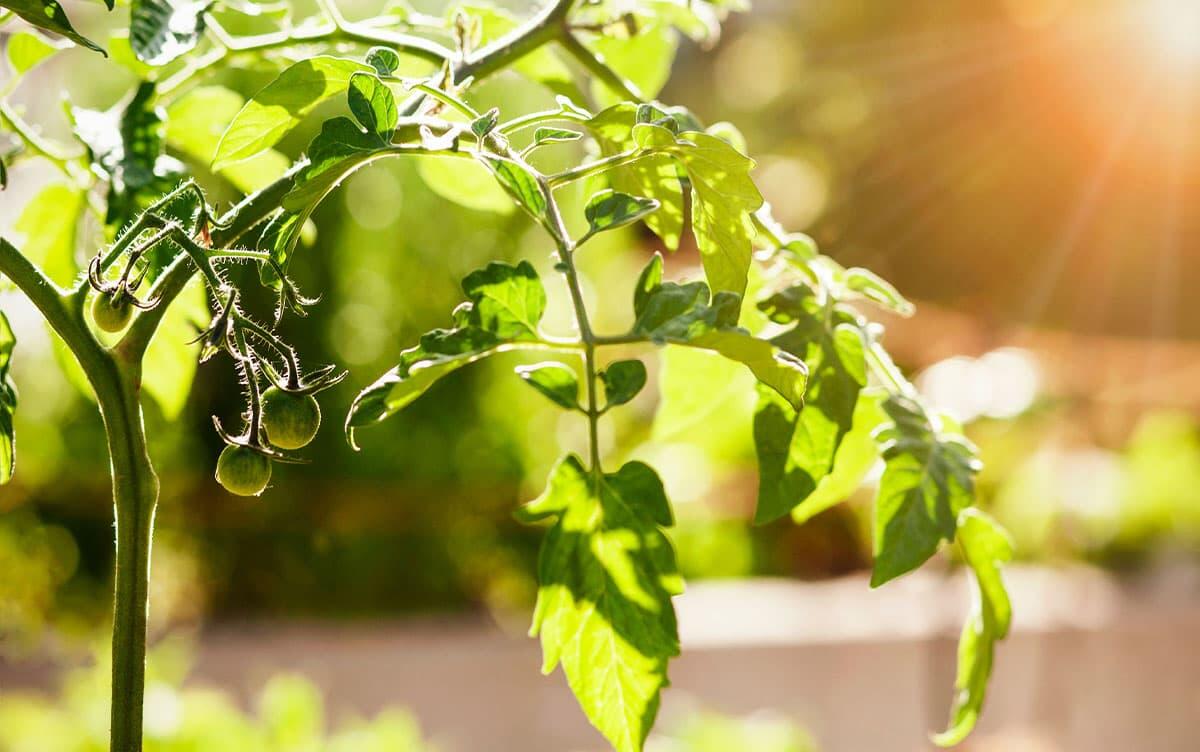 Image by Mariana Serdynska/Shutterstock
Researchers at University of Tsukuba have demonstrated that tomato mutants lacking the SlIAA9 gene, an auxin signaling repressor involved in the regulation of seed germination, not only retain high germination capacity under high-temperature conditions but also exhibit vigorous post-germination growth. Furthermore, the molecular and physiological mechanisms underlying this enhanced heat resilience are elucidated. These findings offer new insights into the genetic improvement of heat-tolerant tomato varieties.
When exposed to prolonged high temperatures, tomato seeds often fail to germinate properly, resulting in poor seedling establishment and reduced subsequent growth. The germination stage is particularly vulnerable to heat stress, as elevated temperatures can induce thermo-dormancy or thermo-inhibition, suppressing germination even after conditions return to favorable levels. In this study, researchers investigated SlIAA9, a gene that represses auxin-responsive transcription and modulates hormonal pathways involved in germination. To assess its role in heat stress tolerance, germination responses under high-temperature conditions were compared between wild-type tomatoes and two independent SlIAA9 loss-of-function mutant lines.
The results showed that high-temperature exposure markedly reduced germination rates in wild-type tomatoes, accompanied by shortened shoots and roots and a high frequency of seedlings with abnormal morphology. In contrast, both SlIAA9 mutant lines exhibited little to no decline in germination rate under heat stress and developed largely normal seedlings. Moreover, the mutants displayed elevated expression of genes encoding antioxidant enzymes that detoxify reactive oxygen species, which accumulate during heat stress, along with enhanced induction of HSP70, a heat shock protein that protects cellular proteins from heat-induced damage.
Further analysis revealed that responsiveness to abscisic acid, a hormone that enforces seed dormancy and inhibits germination, was attenuated in the SlIAA9 mutants under heat stress. At the same time, genes involved in ethylene biosynthesis, a pathway that promotes germination and post-stress recovery, were more strongly activated in mutant seeds than in wild-type seeds. These coordinated changes in hormonal and stress-responsive gene expression are thought to underlie the enhanced capacity of SlIAA9 mutant seeds to germinate under high-temperature conditions. Collectively, these findings identify SlIAA9 as a negative regulator of seed heat resilience in tomato. Targeted modulation of SlIAA9 function may therefore represent a promising genetic strategy for breeding crop varieties capable of stable germination and early growth in increasingly high-temperature environments.
This research was supported by Science and Technology Research Partnership for Sustainable Development (SATREPS) in collaboration between Japan Science and Technology Agency (JST, JPMJSA2207) and Japan International Cooperation Agency (JICA).
Original Paper
Title of original paper: SlIAA9 mutation enhances tomato seed resilience to heat stress
Journal: Plant Physiology and Biochemistry
DOI: 10.1016/j.plaphy.2026.111103




 Topics
 Species