Ireland
December 22, 2025
A vegetable that often divides opinion, William Deasy, Specialised Vegetable Advisor, takes a closer look at the much loved or loathed vegetable - the Brussels sprout.
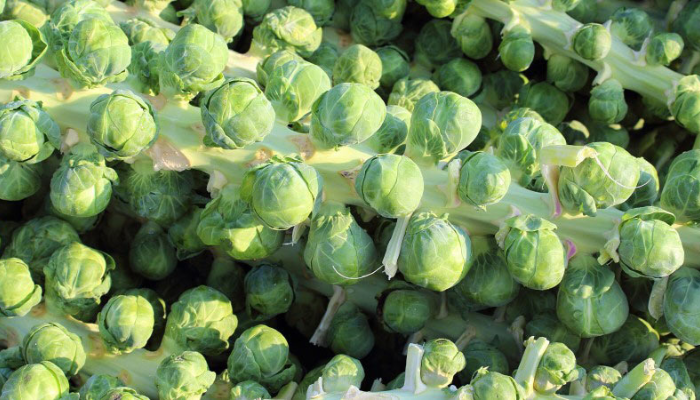
While opinions may be divided, Brussels sprouts have a long history. Belonging to the Brassica oleracea species, which also includes cabbage, broccoli, cauliflower, kale and kohlrabi, the crop can be traced back to Belgium in the 13th century, where the swollen axillary buds – known as sprouts or buttons – were first cultivated along the plant’s tall central stem.
In Ireland, Brussels sprouts have been grown since the early 20th century. Today, production typically runs from September through to March. Crops take between 140 and 220 days to mature from transplanting, with the majority harvested in December to meet peak seasonal demand.
Despite advances in technology, harvesting remains labour-intensive. Traditionally, sprouts were picked by hand from the stalk. Most specialised growers now use semi-automated harvesters, which cut the stalk and remove the sprouts using a knife-based picking system. However, some manual handling is still required. Fully automated harvesting machines have been developed in recent years, marking further progress in the sector.
Modern brussels sprout varieties differ significantly from those grown in the past. Older varieties were known for their strong, bitter flavour, but plant breeding has led to milder, sweeter sprouts that are now standard across the industry. These improvements, combined with new cooking methods, have helped increase consumer acceptance.
The bitterness once associated with Brussels sprouts is caused by natural compounds that protect the plant from insect pests and grazing animals such as pigeons and deer. These same compounds are also linked to many of the crop’s health benefits.
Brussels sprouts are low in fat and sodium, high in dietary fibre and contain no cholesterol. They are rich in vitamin C and provide a good source of folic acid. Research has long highlighted the cancer-fighting properties of Brussels sprouts and other Brassica vegetables, while regular consumption may also help reduce cholesterol levels and lower the risk of heart disease.
Covert any Brussels sprouts sceptic with this delicious Crispy Brussels Sprouts with Honey and Sriracha recipe, available on the Bord Bia Life Is Better with Fruit and Vegetables website.


 Topics
 Species